Why Is My Garage Door So Loud? Causes, Fixes, and When to Call a Pro
That grinding, screeching, banging sound your garage door makes every morning has a way of waking up the whole neighborhood before your coffee is even brewed. If you’ve been living with a loud garage door and chalking it up to “just how it is,” you’re not alone, and more importantly, you don’t have to keep tolerating it. At Texas Garage Door and Opener, we’ve helped hundreds of homeowners diagnose and silence exactly this kind of problem, and what we’ve found time and again is that noise is almost never just noise. It’s your door trying to tell you something.
A loud garage door is one of the most common complaints we hear, and it’s also one of the most misunderstood. Many homeowners assume it’s a minor annoyance rather than a warning sign, but the truth is that persistent noise often points to worn components, improper lubrication, or alignment issues that, left unaddressed, can lead to more serious and costly damage down the road. The good news is that most of the causes are very fixable, especially when you catch them early.
What’s Actually Making That Noise?
Garage doors are mechanical systems with a lot of moving parts working together under significant tension and weight. When something is off, even slightly, it tends to make itself known through sound. Understanding what kind of noise you’re hearing is actually the first step toward diagnosing the problem.
Squeaking and Squealing
A high-pitched squeak is almost always a lubrication issue. The rollers, hinges, and springs in your garage door system need regular lubrication to move smoothly. When that lubrication dries out or wears away, metal components begin grinding against each other, producing that telltale squeal. The fix here is often simple: a high-quality garage door lubricant (not WD-40, which can actually attract dirt and make things worse) applied to the rollers, hinges, and springs can make a dramatic difference almost immediately.
That said, squeaking can also point to worn or damaged rollers. Most residential garage doors use nylon or steel rollers, and over time these wear down, crack, or lose their smooth rotation. Replacing worn rollers is a straightforward job for a professional and makes a noticeable difference in both noise level and how smoothly the door operates.
Grinding and Scraping
If your loud garage door sounds like it’s chewing gravel every time it moves, you’re likely dealing with an issue along the tracks. Tracks can become bent, misaligned, or clogged with debris over time, forcing the rollers to fight their way through rather than glide. Even a small dent or bend in a track can produce surprisingly loud grinding. This is one situation where a DIY fix can actually make things worse if the track isn’t re-aligned properly, so professional assessment is worth considering here.
Grinding can also come from the garage door opener itself, particularly in older chain-drive models. Chain-drive openers are generally louder than belt-drive or screw-drive systems, and if the chain has become loose or the opener’s internal gears are wearing down, the grinding will intensify over time. An opener that’s more than 10 to 15 years old and producing new or worsening noise is often approaching the end of its reliable lifespan.
Banging and Rattling
Loose hardware is almost always behind banging and rattling sounds. The bolts, nuts, and brackets holding your door panels and track system together experience thousands of cycles of vibration every year, and they naturally loosen over time. A periodic tightening of visible hardware is a great part of routine maintenance, though it’s worth being careful not to overtighten, which can strip threads or warp brackets.
Rattling from the door itself, especially in the panels, can also indicate that the panels are separating or cracking. This is more common in older doors or those that have experienced impact damage, and it typically means a panel replacement is in order.
Thumping at the Top or Bottom of Travel
If you hear a pronounced thump when your door reaches the fully open or fully closed position, the limit settings on your opener may need adjustment. These settings control how far the door travels in each direction, and when they’re off, the door essentially slams into its stopping point rather than slowing and settling gently. Most modern openers allow limit adjustments through the unit itself or through a connected app.
When Lubrication Isn’t Enough
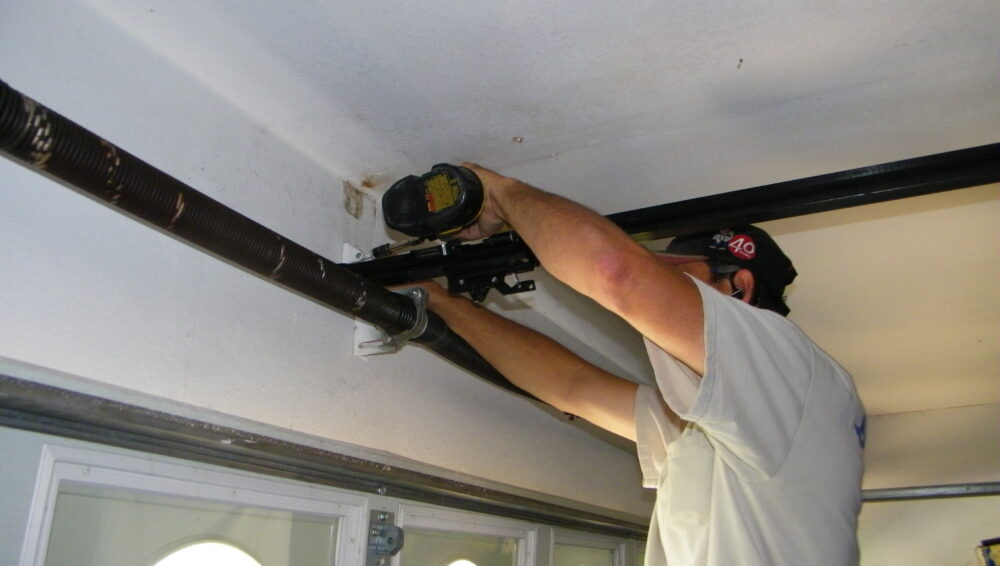
There’s a meaningful difference between a door that needs a tune-up and a door that needs repair. Springs in particular deserve special mention: the torsion and extension springs that counterbalance your garage door’s weight are under extreme tension, and a broken spring is not only a source of significant noise but also a genuine safety hazard. Spring replacement should always be handled by a trained technician with the proper tools.
A quiet, smoothly operating garage door isn’t a luxury, it’s a sign that your system is healthy and safe. If your door has been making a loud noise for a while, or if the noise has changed or gotten worse recently, it’s worth having a professional take a look before a minor issue becomes a major repair. Contact Texas Garage Door and Opener today to schedule an inspection and get your garage door running quietly and reliably again.